The ongoing conflict involving Iran, the United States, and Israel is no longer just a regional security crisis — it’s beginning to strain global economic systems and trade networks far beyond the Middle East.
Recent missile and drone attacks launched during the conflict have disrupted vital transportation corridors, especially across the Persian Gulf and surrounding airspaces, causing knock‑on effects that ripple throughout global commerce.
✈️ Air Cargo Chaos: Freight Capacity Plummets
One of the first and most visible economic impacts of the war has been on global air cargo operations. Several major Middle Eastern airports — including key hubs that serve as transit points for freight between Asia and Europe — have either shut down or significantly restricted flights due to heightened security risks.
“Nearly one‑fifth of the world’s air freight capacity is currently offline,” says a logistics industry source, as cargo planes are forced to ground or reroute around conflict zones.
This sudden loss of available cargo space has created immediate bottlenecks, especially for time‑sensitive goods such as electronics, pharmaceuticals, luxury items and other high‑value shipments.
Analysts report that airfreight costs have surged, particularly on routes between Asia and Europe, where alternative routing and fuel costs have driven prices sharply higher.
🚢 Maritime Trade at Risk: Strait of Hormuz Struggles
While air cargo capacity is collapsing, crucial sea routes are also under pressure:
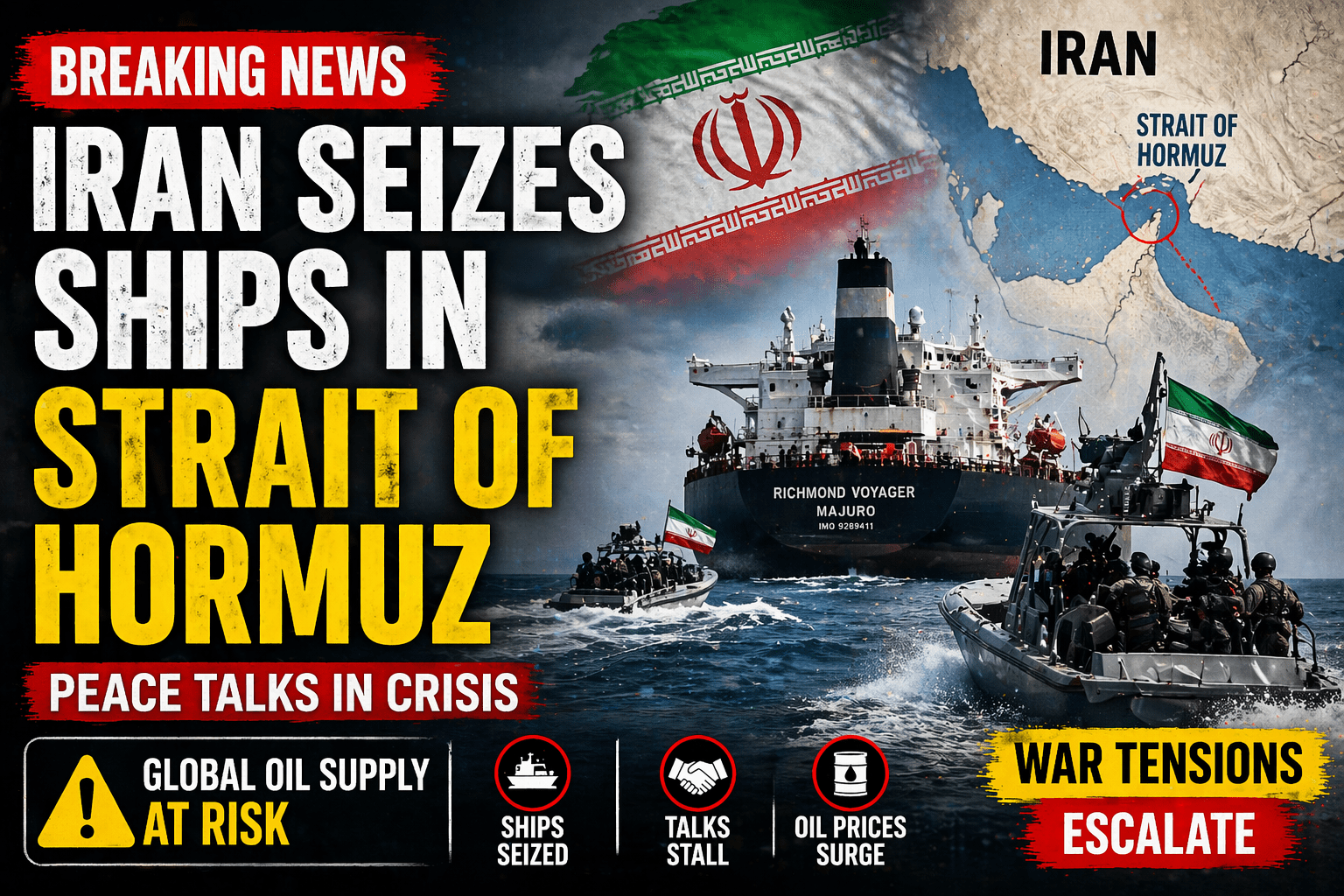
- Shipping through the Strait of Hormuz — a strategic chokepoint that carries roughly one‑fifth of the world’s oil — has slowed dramatically as vessels avoid potential missile or drone strikes.
- Major carriers are rerouting ships around Africa’s southern tip, rather than risking passage near the Gulf, which adds 10–14 days or more to transit times and significantly increases costs.
- Insurers are hiking premiums or refusing coverage for ships passing near the conflict zone, raising the baseline cost of global shipping.
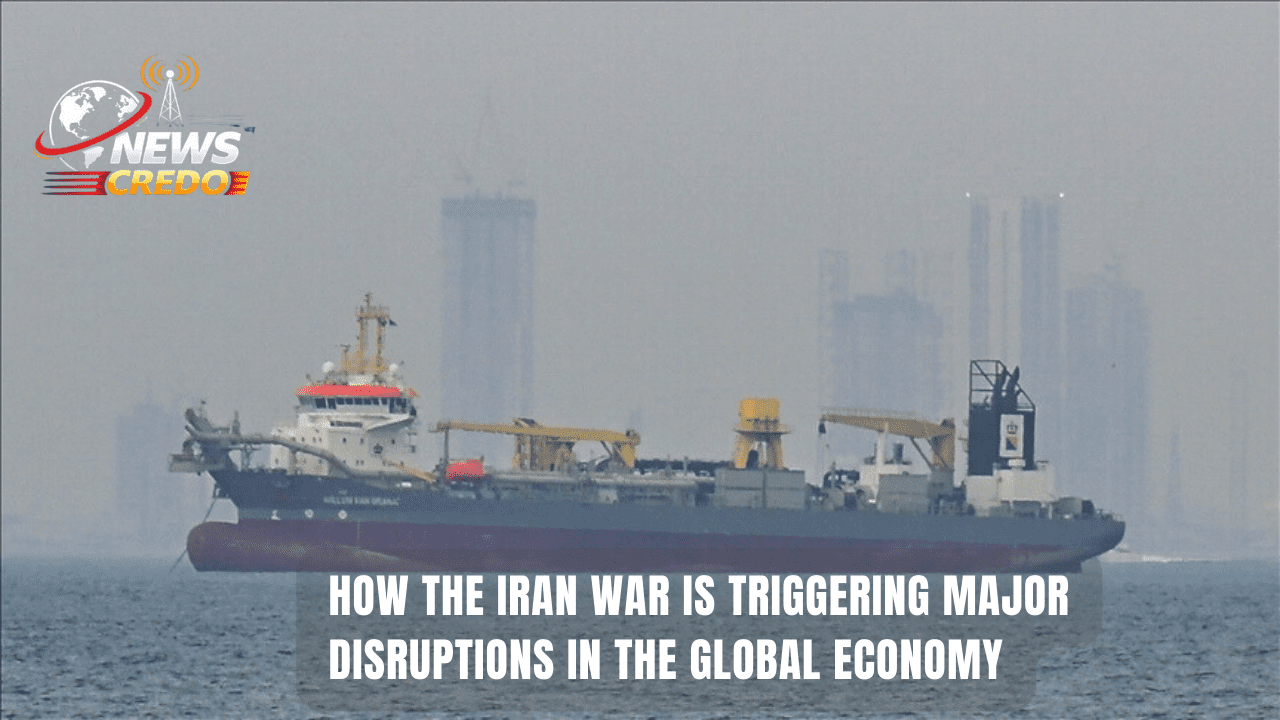
This maritime disruption reverberates through international trade, affecting not just oil but also consumer goods and industrial materials shipped by sea.
📉 Wider Economic Consequences
The economic pain isn’t limited to freight and fuel prices. Countries in Europe and Asia — which rely heavily on Gulf energy and transit routes — are already reporting inflationary pressures as energy and logistics costs rise.
According to transportation experts:
“The longer the conflict drags on, the deeper the supply chain shock will be felt across multiple industries.”
Retailers are seeing delays in inventory deliveries, manufacturers are facing higher input prices, and supply shortages of critical components (like semiconductor materials and specialized industrial chemicals) are looming.
🌍 Global Outlook: Shockwaves Beyond the Battlefield
Even if this war remains geographically concentrated, its economic implications stretch across continents:
- Fuel price spikes may feed into broader inflation.
- Air and sea freight costs are likely to stay elevated for weeks or months.
- Companies dependent on predictable delivery schedules are scrambling to redesign supply routes and manage inventory risk.
For global markets and businesses, the challenge is no longer just a question of when the conflict will end — but how long the economic aftershocks will persist.