Tensions in the Middle East have sharply escalated after Iranian forces seized multiple commercial vessels in the Strait of Hormuz, further destabilizing an already fragile ceasefire and raising concerns about global energy security.
Iran Captures Commercial Ships in Strategic Waterway
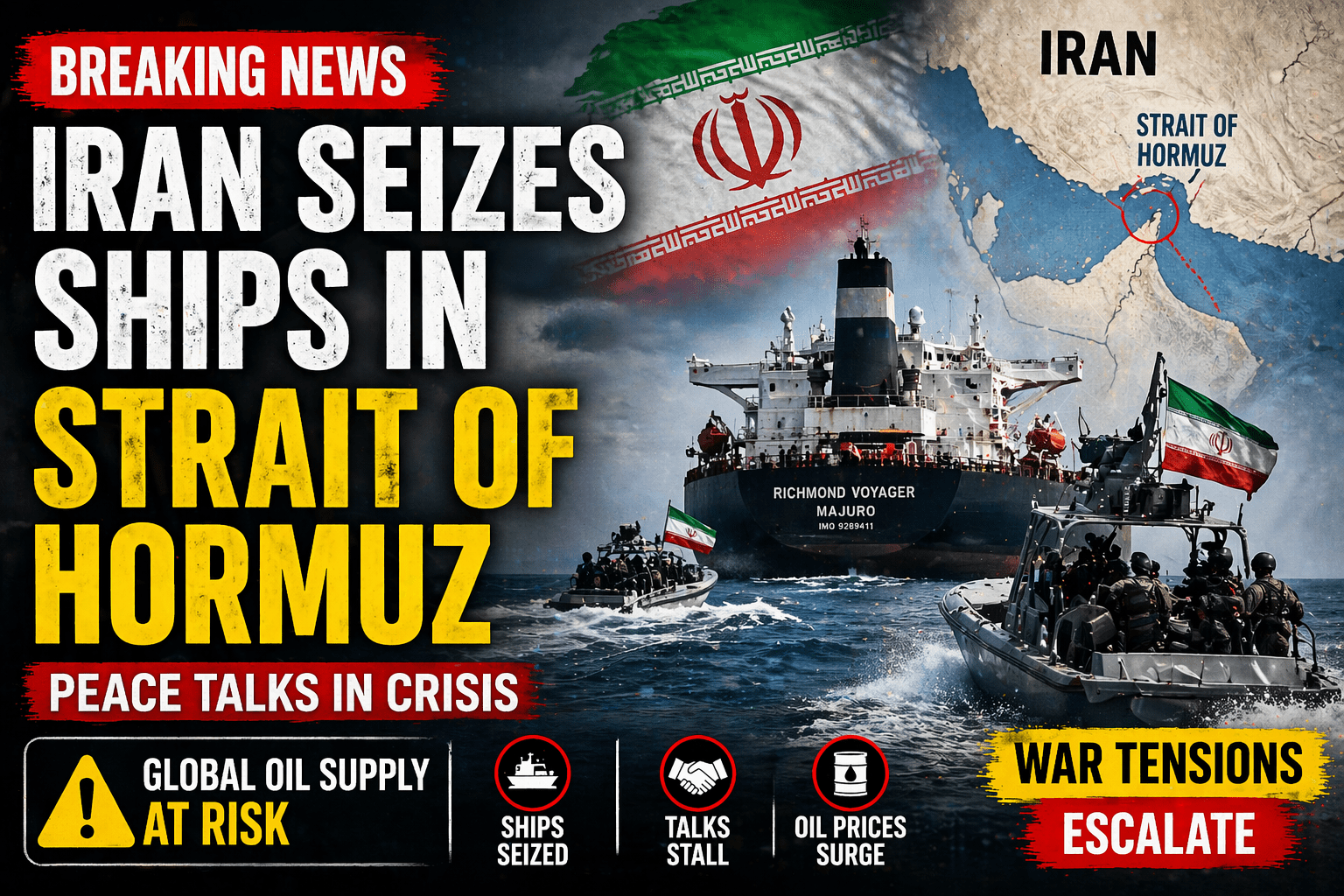
Iran’s Islamic Revolutionary Guard Corps (IRGC) confirmed that it had seized two foreign-flagged ships in the Strait of Hormuz, accusing them of violating maritime rules and attempting to move through the area without proper authorization.
- The vessels were reportedly redirected toward Iranian waters
- A third ship was also fired upon during the incident
- Crews were reported safe, but tensions increased significantly
This marks one of the most serious maritime escalations since the conflict began earlier this year.
Strait of Hormuz Remains Effectively Closed
Iranian officials stated that reopening the Strait of Hormuz is currently “impossible” due to ongoing violations of the ceasefire by U.S. and allied forces.
Iran accused the U.S. naval blockade of making safe navigation impossible in the region.
The strait is one of the world’s most critical oil routes, and its disruption is having immediate global consequences.
Peace Talks Collapse Amid Rising Hostilities
The latest incident has further complicated diplomatic efforts:
- Iran has refused to participate in planned talks under current conditions
- The U.S. continues enforcing a naval blockade on Iranian shipping
- Ceasefire agreements are being repeatedly violated
Negotiations that were expected to take place in Pakistan now face serious uncertainty.
Conflict Expands Beyond the Sea
The crisis is not limited to maritime tensions:
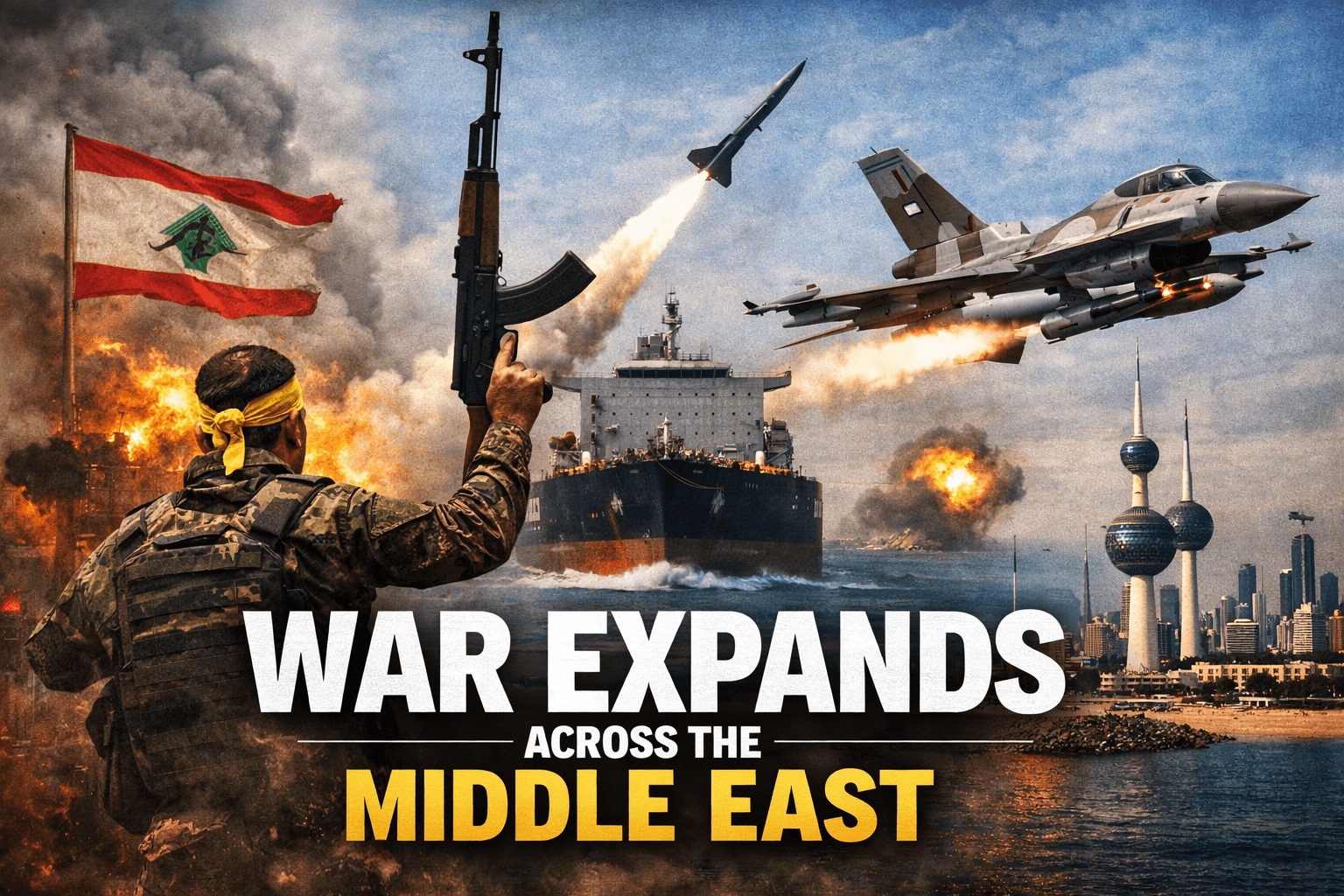
- Fighting continues in other parts of the region, including Lebanon
- Civilian casualties and infrastructure damage are increasing
- The war has now entered a prolonged and unpredictable phase
Reports indicate thousands of casualties across multiple countries since the conflict began.
Global Oil and Trade Disruption
The impact of the crisis is being felt worldwide:
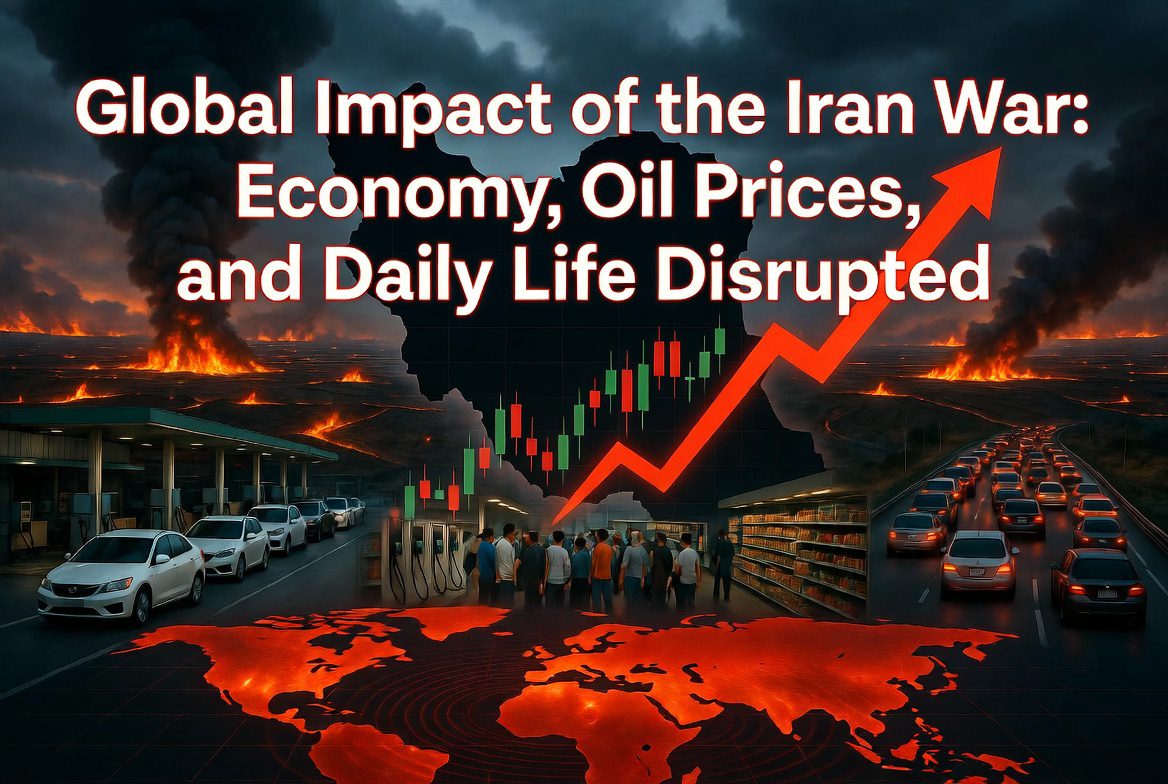
- Oil prices have surged above $100 per barrel
- Shipping traffic through the strait has dropped sharply
- Supply chains and energy markets are under pressure
Nearly 20% of global oil supply depends on this route, making the situation critical for global economies.
Conclusion
Iran’s seizure of ships in the Strait of Hormuz highlights the growing instability in the region and the fragile nature of ongoing peace efforts. With diplomacy stalled and military actions continuing, the risk of further escalation remains high.
The world now faces a tense situation where even small incidents could trigger a much larger conflict, with serious consequences for global trade and energy security.