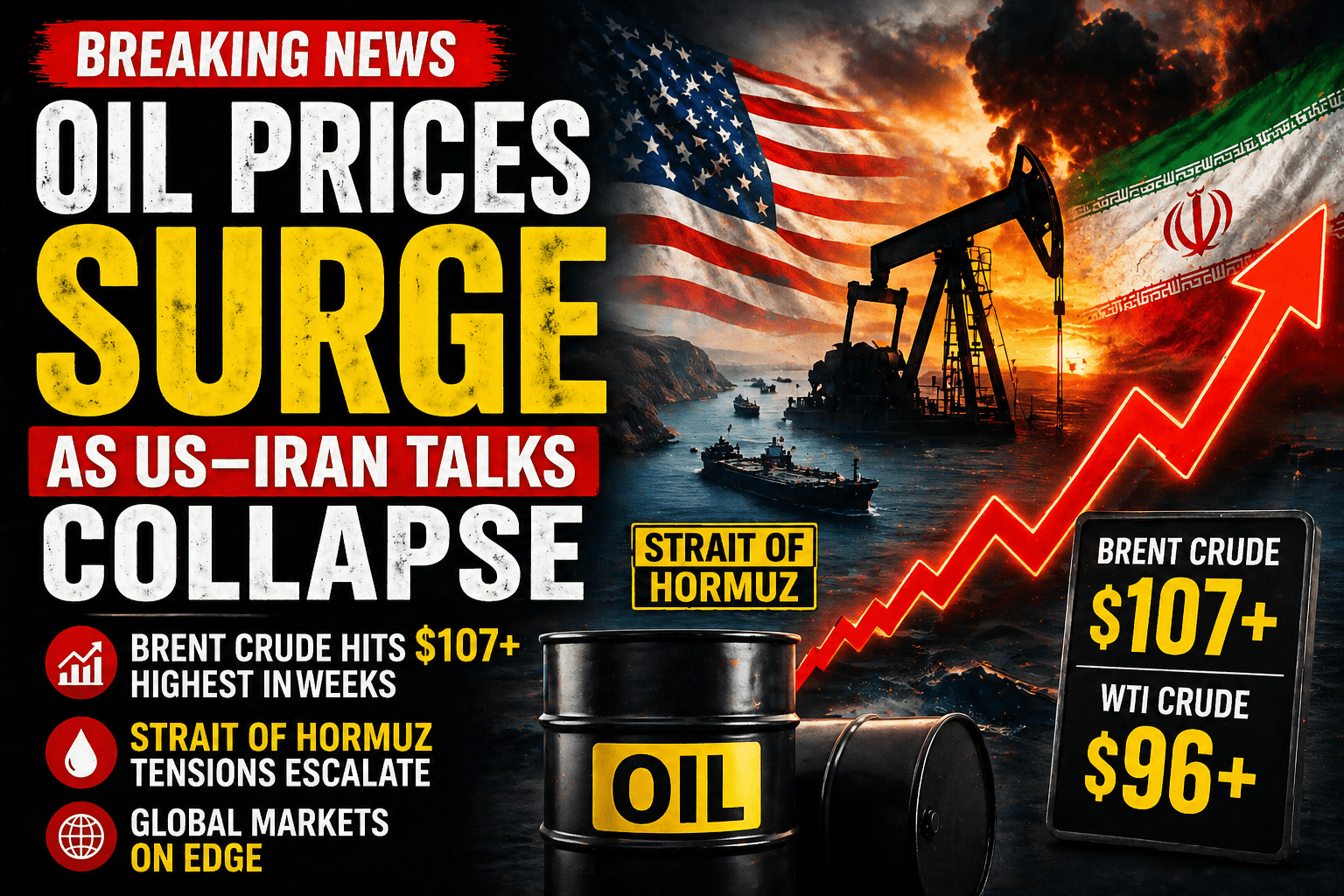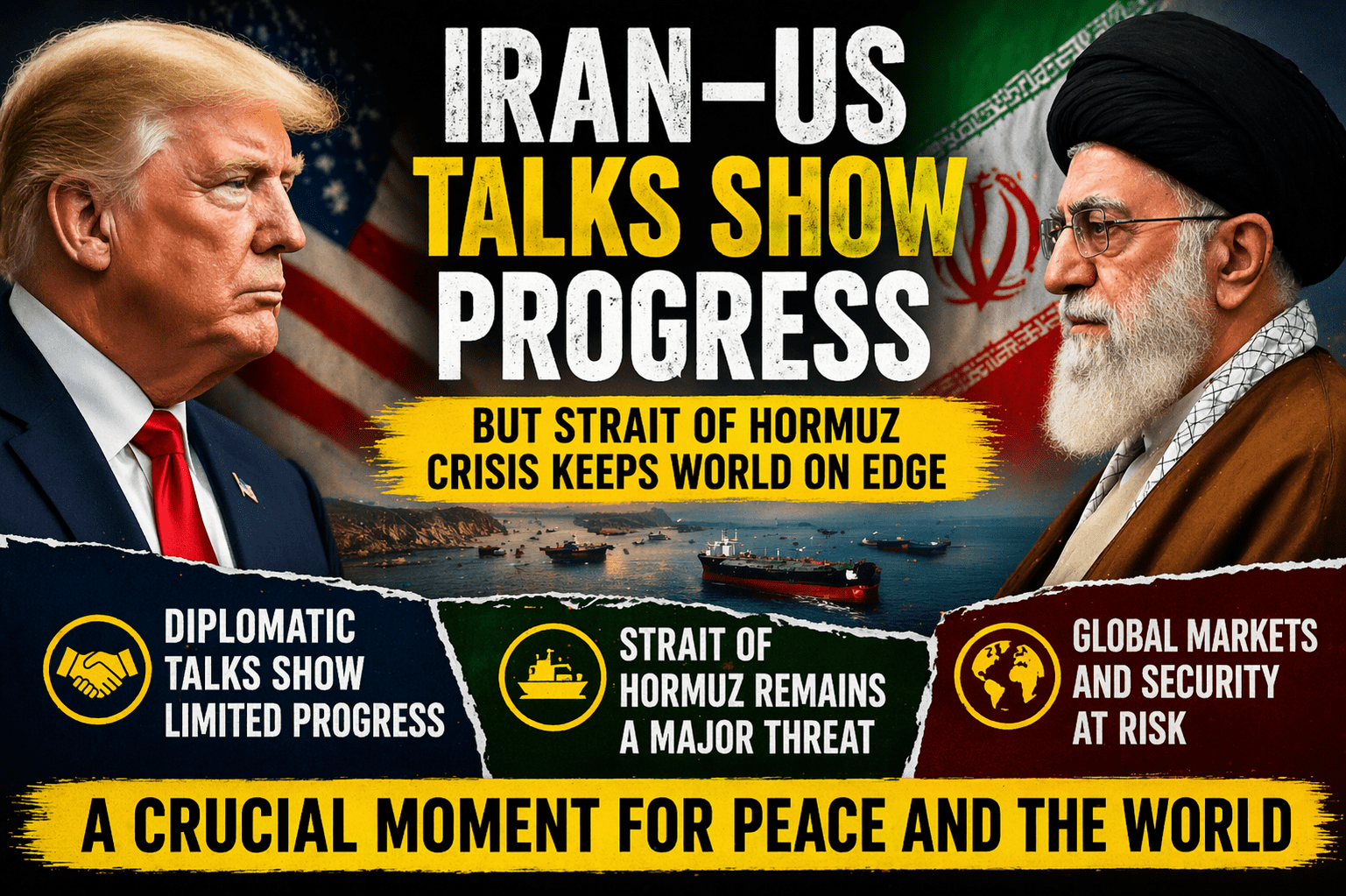
The ongoing conflict involving Iran, the United States, and Israel has entered a critical phase, as both diplomatic efforts and military tensions continue side by side. While recent negotiations have shown signs of progress, uncertainty surrounding the Strait of Hormuz is keeping global markets and governments on high alert.
Diplomatic Talks Show Limited Progress
Officials from both Iran and the United States have indicated that recent negotiations are moving forward, raising cautious hopes for a potential breakthrough.
According to statements from both sides, discussions have focused on:
- Iran’s nuclear program
- Ceasefire conditions
- Sanctions and economic restrictions
However, major disagreements remain unresolved, particularly regarding how long Iran should limit its nuclear activities.
“There are very good conversations happening,” U.S. leadership said, signaling ongoing dialogue despite tensions.
While diplomacy continues, experts warn that progress is still fragile and far from a final agreement.
Strait of Hormuz Remains a Flashpoint
The Strait of Hormuz, one of the world’s most important oil routes, remains at the center of the crisis.
- Iran has repeatedly opened and closed the strait during the conflict
- The United States continues a naval blockade targeting Iranian shipping
- Tankers and cargo vessels face growing risks while crossing the region
This waterway carries a significant portion of global oil, making any disruption a major threat to the global economy.
Recent incidents, including attacks on commercial ships, have further increased tensions and raised concerns among international shipping companies and governments.
Conflict Still Active Despite Talks
Even as negotiations continue, the war itself is far from over:
- The conflict has lasted more than eight weeks, causing thousands of casualties
- Fighting has spread beyond Iran and Israel into other parts of the region
- Military operations and threats continue from both sides
The situation remains volatile, with the risk that hostilities could resume at full scale if talks fail.
Global Impact and Political Pressure
The war is not only a military crisis—it is also creating political and economic pressure worldwide.
- Oil supply disruptions have driven price volatility
- Inflation concerns are rising in multiple countries
- Political pressure is increasing, especially in the United States as elections approach
Economic uncertainty linked to the Strait of Hormuz is now one of the biggest global concerns.
What Happens Next?
The coming days will be crucial:
- If talks succeed → possibility of extended ceasefire
- If talks fail → risk of escalation and wider regional war
Negotiators are trying to establish a framework that could prevent further conflict, but deep differences between the two sides remain.
Conclusion
While diplomatic talks between Iran and the United States offer a glimmer of hope, the ongoing instability in the Strait of Hormuz and continued military tensions show that the crisis is far from resolved.
The world now watches closely as both sides balance negotiation and confrontation, with the outcome likely to shape global politics and the economy in the months ahead.