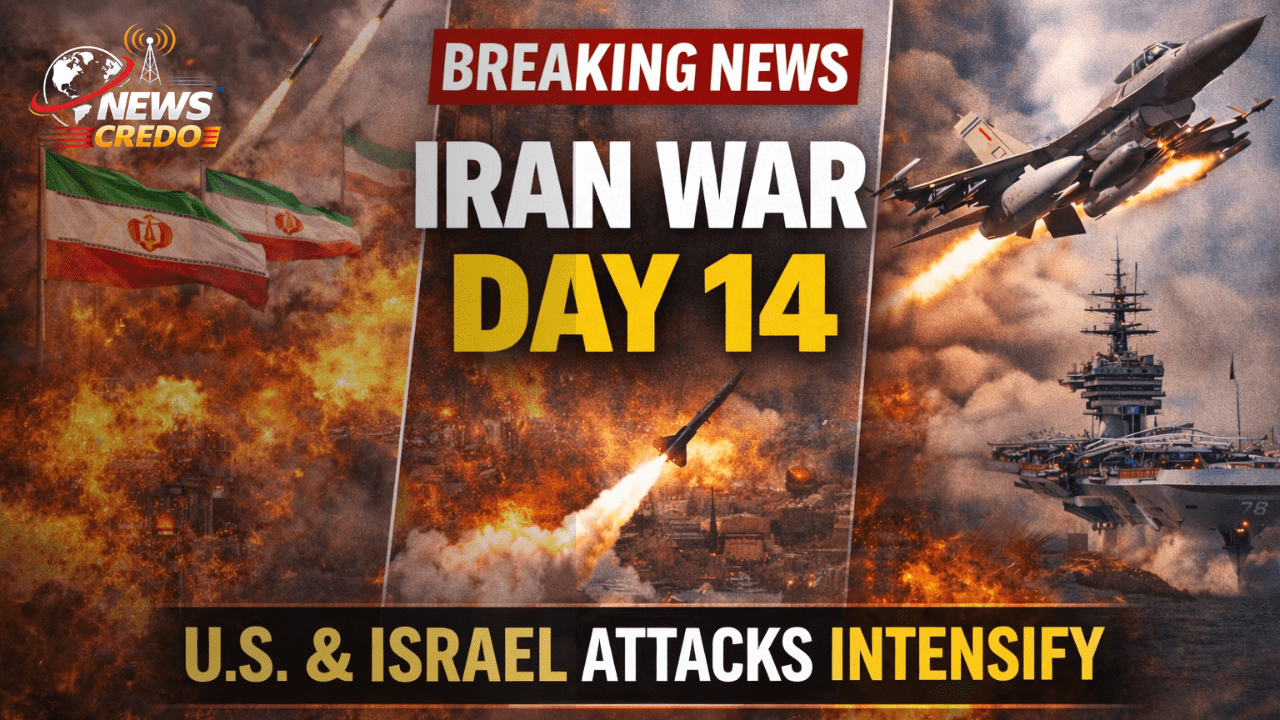
The war between Iran and the joint military alliance of the United States and Israel has reached its fourteenth day, with fresh airstrikes, retaliatory missile attacks, and growing instability across the Middle East. The conflict, which began in late February, continues to escalate with both sides intensifying military operations and targeting strategic infrastructure.
Israeli Strikes Hit Tehran and Key Iranian Infrastructure
Israeli forces have carried out a series of air raids on targets in Tehran and other major Iranian cities, focusing on military bases, energy facilities, and suspected weapons sites. Iranian officials say some civilian infrastructure has also been affected during the bombardment, leading to significant casualties and damage.
Reports indicate that the campaign has included thousands of strikes against Iranian positions since the start of the war. The attacks are part of a broader effort to weaken Iran’s military capabilities and disrupt command structures.
“Explosions have been heard across several Iranian cities as air attacks continue,” according to regional reports monitoring the conflict.
Iran Responds With Missile and Drone Attacks
Iran has responded with waves of missile and drone strikes targeting Israeli territory and military bases used by U.S. forces across the Middle East. Iranian authorities say these attacks are intended as retaliation for the ongoing bombardment and the earlier killing of senior Iranian leaders.
Since the start of the conflict, dozens of Israeli civilians have been killed and thousands injured due to missile strikes and rocket attacks. Air defense systems have intercepted many incoming projectiles, but several have still caused damage in populated areas.
Leadership Crisis and Political Fallout
The war intensified following the death of Iran’s longtime Supreme Leader Ali Khamenei, who was killed during a series of airstrikes targeting senior Iranian officials in Tehran. The leadership transition that followed has added another layer of uncertainty to the already volatile conflict.
Iranian officials say the country will continue its military response and has warned regional states hosting U.S. military bases that they could become targets if the attacks continue.
Conflict Spreads Across the Region
The fighting is no longer limited to Iran and Israel. Missile launches and military activity have affected several countries in the Gulf and the wider Middle East.
The conflict has also sparked clashes involving regional groups allied with Iran, including confrontations in Lebanon that have caused widespread displacement and humanitarian concerns.
Global Economic Impact
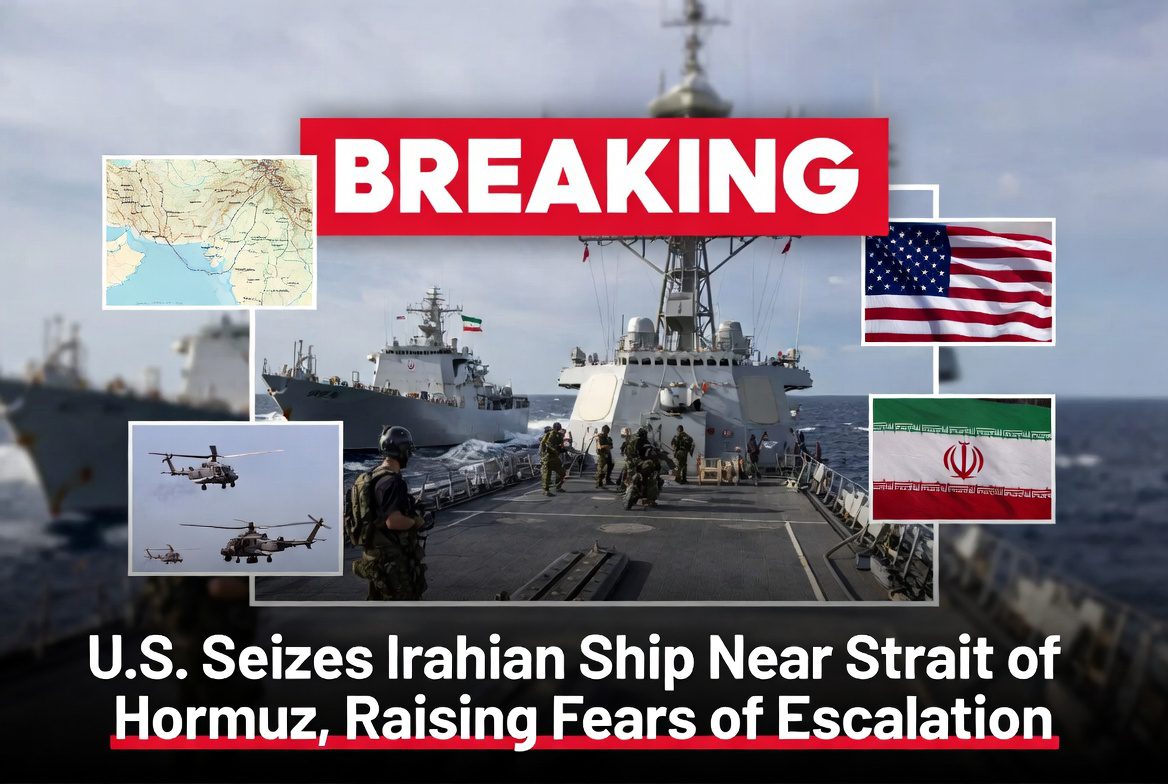
Beyond the battlefield, the war is beginning to affect global markets and energy supplies. The strategic Strait of Hormuz, through which about 20 percent of the world’s oil passes, has become a focal point of tensions.
Disruptions in the area have driven oil prices higher and raised concerns about global economic stability if the conflict continues to expand.
What Happens Next?
As the war moves deeper into its third week, international leaders are urging restraint and diplomatic efforts to prevent further escalation. However, continued missile exchanges and airstrikes suggest that a quick resolution remains unlikely.
Military analysts warn that the involvement of regional militias and neighboring countries could transform the conflict into a broader Middle East war if hostilities intensify.